Molasses Popcorn Balls
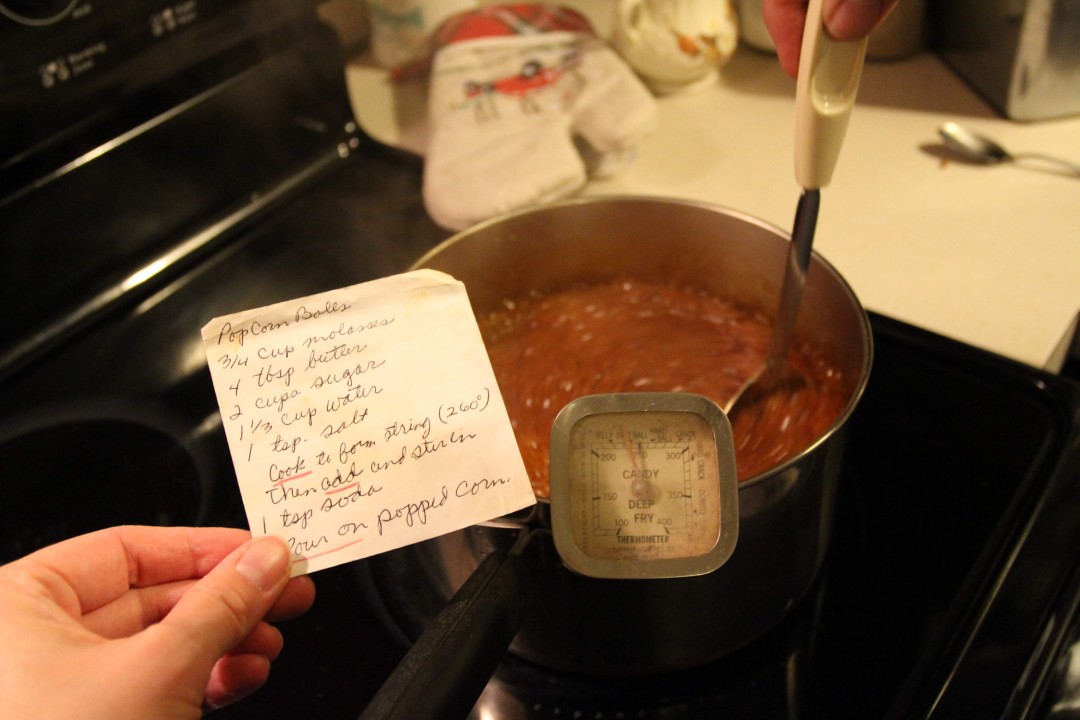
Ingredients:
- 3/4 cup molasses
- 4 tbsp butter
- 2 cups sugar
- 1 3/4 cup water
- 1 tsp salt
- 1 tsp soda (baking soda)
- Approximately 10 cups of popped popcorn (make sure all unpopped kernels are removed)
Instructions:
Prepare the Popcorn: Pop enough popcorn to make about 10 cups. Make sure to remove any unpopped kernels. Place the popped popcorn in a large bowl, giving enough space to mix the syrup later.
Make the Syrup: In a large saucepan, combine molasses, sugar, water, and salt. Cook over medium heat, stirring constantly until the sugar dissolves.
Boil the Syrup: Once the sugar is dissolved, let the mixture boil without stirring until it reaches the "hard ball stage" (when a small amount dropped into cold water forms a hard ball). This is about 250°F (120°C) if you're using a candy thermometer.
Add Baking Soda: Once it reaches the hard ball stage, remove the saucepan from heat and stir in the butter and baking soda. The mixture will bubble and foam.
Combine with Popcorn: Pour the molasses syrup over the popped popcorn. Using a spatula or wooden spoon, gently mix to coat the popcorn evenly with the syrup.
Form the Balls: Wait for the mixture to cool slightly so it's safe to handle. Butter your hands to prevent sticking and shape the popcorn into balls. Place the balls on a parchment-lined baking sheet to cool completely.
Enjoy! Once cooled, the popcorn balls can be stored in an airtight container for several days.
Note: Always exercise caution when working with hot sugar syrups as they can cause burns.
If you're having difficulty reaching the hard ball stage or forming balls with your syrup, there could be several reasons:
Temperature: The most common reason is not reaching the correct temperature. Candy thermometers can sometimes be off, or the heat might not be consistent. The hard ball stage is reached at approximately 250°F to 265°F (121°C to 130°C).
Altitude: If you live at a high altitude, the boiling point of sugar solutions will be lower than at sea level. This can affect the temperature at which you reach the hard ball stage.
Stirring: Over-stirring the syrup as it boils can prevent it from reaching the hard ball stage. Once the sugar is dissolved, it's best to reduce stirring or stop entirely.
Impurities: Any impurities in the sugar or other ingredients can interfere with the syrup reaching the desired consistency.
Water Proportions: Too much water in the mixture can dilute the syrup and prevent it from reaching the hard ball stage. Make sure you're measuring ingredients accurately.
Testing Method: If you're not using a candy thermometer, you might not be accurately gauging the hard ball stage when doing the cold water test. The syrup should form a firm, pliable ball that doesn't flatten when you remove it from the water but does so when pressed between your fingers.
Ingredients: Ensure you're using the correct type of sugar and molasses. Different types of sugar or molasses can have varying moisture contents or properties that might affect the outcome.
If you're consistently having this issue, consider investing in a reliable candy thermometer. It's an invaluable tool for recipes that require precise temperatures. Also, always ensure that your ingredients are fresh and measured accurately.
Adding butter later in the candy-making process, specifically after the syrup reaches the hard ball stage, is a common technique. The reasons include:
Flavor Preservation: Butter can burn or lose some of its rich flavor if it's cooked for an extended period. Adding it after the syrup is done cooking can preserve its fresh, creamy taste.
Texture: Butter can affect the crystallization of the sugar. Introducing it after the sugar has reached the desired stage can help control the final texture of the candy.
Consistency of the Syrup: Adding butter later can ensure a smoother incorporation into the syrup, especially if the butter is at room temperature or slightly melted.